
Protecting our environment must also mean protecting the people who depend on it. A greener future cannot be built on exploited labour, trafficked lives, or the denial of human dignity.
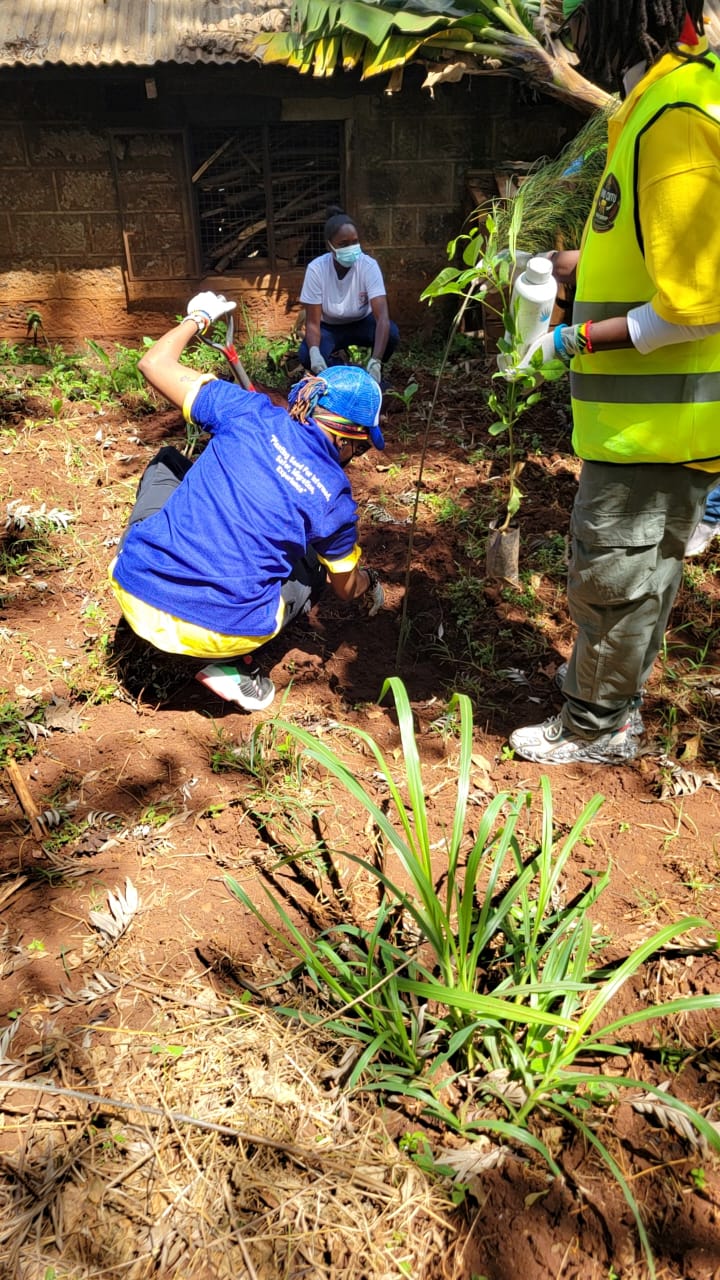
Every year on 10 October, Kenya marks Mazingira Day, a national occasion dedicated to environmental conservation, restoration, and collective responsibility. In 2026, the celebrations are guided by the theme, "Our Environment, Our Responsibility: Collective Action for Tree Growing and Environmental Stewardship." The message calls on individuals, communities, institutions, and government to take practical action to protect our natural environment.
At Jafari Jata Solution (JJS), we believe this responsibility must extend beyond the trees we plant, the forests we restore, and the waste we remove from our neighbourhoods. It must also include the people whose labour sustains our homes, farms, industries, and economies.
As we celebrate Mazingira Day, we must ask ourselves an important question: What does it mean to protect our environment if we fail to protect the people who live and work within it?
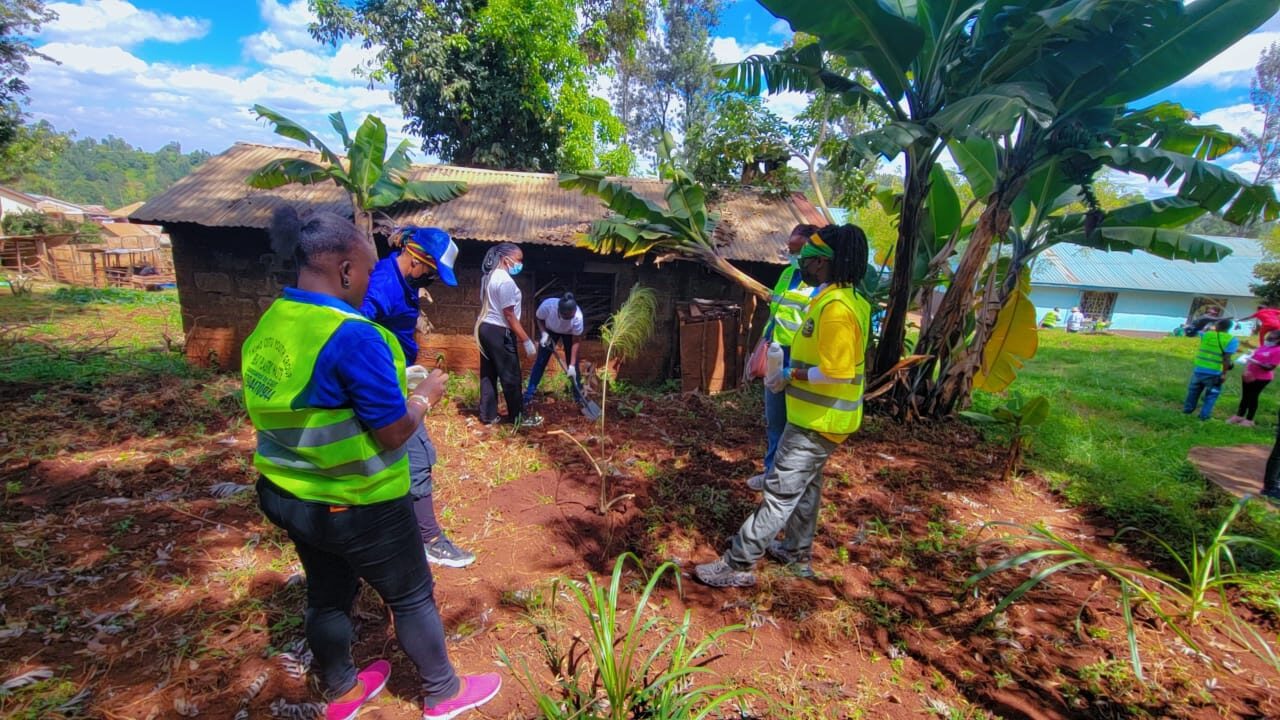
Environmental protection and the fight against modern slavery may appear to be separate causes. One focuses on the natural world, while the other focuses on human rights and dignity. Yet, these issues can intersect in ways that demand our attention.
When we speak about environmental conservation, we often think of planting trees, protecting water sources, restoring degraded land, conserving biodiversity, and addressing pollution. These are essential actions, particularly as communities face growing environmental pressures.
But sustainability is not only about the condition of our land, forests, and rivers. It is also about the conditions in which people live and work.
Who plants the trees? Who harvests the crops? Who works on construction sites, in private homes, in factories, and across the supply chains that bring products into our markets? Under what conditions do these people work, and are their rights respected?
Behind many economic activities are workers whose contributions may go unnoticed. Some work under fair conditions, with decent wages, safety protections, and the freedom to leave their employment. Others may face withheld wages, deceptive recruitment, dangerous working conditions, threats, debt bondage, or restrictions on their freedom.
These realities remind us that environmental sustainability cannot be separated from decent work and respect for human rights.
A tree-growing campaign is a positive step towards environmental restoration. But a truly sustainable approach must also consider the welfare of the people doing the work, including fair recruitment, safe working conditions, appropriate compensation, and protection from forced labour.
A green economy should create decent livelihoods, not new opportunities for exploitation.
Modern slavery is an umbrella term commonly used to describe situations of exploitation in which people cannot refuse or leave because of threats, coercion, deception, abuse of power, or other forms of control. It can include forced labour and other severe forms of exploitation.
Human trafficking involves the recruitment, transportation, transfer, harbouring, or receipt of people through prohibited means, such as force, fraud, coercion, deception, or abuse of vulnerability, for the purpose of exploitation. Trafficking can occur across international borders or entirely within one country. The exact legal elements vary according to the circumstances, including when children are involved.
These crimes are not confined to one industry, one country, or one group of people.
People may experience exploitation in domestic work, agriculture, construction, manufacturing, fishing, hospitality, and other sectors. Migrant workers can face heightened risks when they lack reliable information, legal protection, access to support, or the resources to challenge abusive employers or recruiters.
Some people are promised well-paying jobs abroad, only to discover that the terms of employment are entirely different from what they were told. Others may find themselves trapped by recruitment debts, threatened with deportation, deprived of their documents, or prevented from leaving an abusive workplace.
For some survivors, the journey begins with a legitimate desire for a better life: an opportunity to support their children, pay school fees, provide for their families, or escape poverty.
That desire is not the problem. Exploitation is.
At JJS, our commitment to informed and safer migration experiences is grounded in the belief that people should be able to pursue opportunities without being exposed to deception, abuse, or exploitation.
Environmental degradation and climate change do not automatically cause human trafficking. Most people affected by environmental pressures are not trafficked. However, research by the United Nations Office on Drugs and Crime (UNODC) explains that climate-related disasters and environmental degradation can intensify existing vulnerabilities and create conditions that traffickers may exploit.
Consider a family whose livelihood depends on farming. When prolonged drought destroys crops, livestock die, and household income disappears, the family may struggle to afford food, healthcare, and education.
A young person from that household may begin looking for work elsewhere. A parent may accept an unfamiliar recruitment offer because there are few alternatives. A family displaced by flooding may need to relocate urgently, leaving behind established support networks.
In these circumstances, an offer of employment in a city or another country may appear to be a lifeline.
A recruiter promising a good salary, accommodation, and a better future may seem credible, particularly when the family has few other options. If the offer is deceptive, however, the search for economic security can become an entry point into exploitation.
Similar risks can emerge when environmental degradation affects fishing communities, pastoralist livelihoods, or other sectors that depend heavily on natural resources.
It is important to be clear: migration is not the problem, and people affected by climate change are not inherently vulnerable to trafficking. People migrate for many reasons, including education, family, safety, and better employment. Migration can also strengthen household resilience and create valuable opportunities.
The concern arises when people are forced to make high-risk decisions without adequate information, protection, or viable alternatives.
Environmental resilience and anti-trafficking efforts should therefore work together to expand people's choices rather than restrict their mobility.
Kenya is both a country of origin and a destination for migration, and it also serves as a transit country in some trafficking situations. Kenyan workers seek opportunities within the country and across international borders, while people from neighbouring countries also move into Kenya in search of safety and livelihoods.
The challenges of trafficking, forced labour, and child labour require coordinated responses across government, civil society, employers, communities, and regional partners.
Kenya's Roadmap to Alliance 8.7 for 2025–2030 provides a framework for strengthening action against forced labour, human trafficking, modern slavery, and child labour. It emphasises collaboration, stronger institutional responses, and survivor-centred approaches.
Mazingira Day offers an opportunity to connect these commitments to practical action.
As Kenya promotes tree growing, environmental restoration, sustainable agriculture, and other green initiatives, we should also ask how the people participating in these activities are recruited, paid, and protected.
Are workers receiving clear information about their jobs?
Are employment terms transparent?
Are recruitment fees creating dangerous debts?
Are workers free to report abuse without retaliation?
Are children protected from hazardous and exploitative work?
Are migrant workers able to access information about their rights and seek assistance when things go wrong?
These questions should be part of the broader conversation about sustainable development.
Environmental programmes should be designed and implemented in ways that uphold labour rights, protect children, promote safe working conditions, and ensure that economic opportunities do not come at the expense of human dignity.
The relationship between environmental sustainability and human exploitation extends far beyond Kenya.
The goods we consume and the infrastructure we depend on are connected to complex supply chains spanning multiple countries. Agricultural products, clothing, electronics, construction materials, seafood, and other commodities may pass through several stages of production before reaching consumers.
At each stage, workers deserve protection from forced labour and other forms of exploitation.
A product labelled environmentally friendly is not necessarily produced under fair labour conditions. Likewise, a project that contributes to environmental restoration should not be considered fully sustainable if the people carrying it out are subjected to coercion or abuse.
This is why responsible business practices must consider both environmental and human rights impacts.
Governments have a responsibility to enforce labour protections and investigate trafficking. Employers and recruiters must uphold fair recruitment and decent working conditions. Businesses should examine risks throughout their supply chains and take meaningful action when abuses are identified.
Consumers, too, can ask questions about where products come from, how they are made, and whether workers' rights are respected.
No single action can eliminate modern slavery. But collective accountability can help close the gaps that allow exploitation to continue.
At JJS, we recognise that the fight against human trafficking must include the voices, experiences, and leadership of survivors.
Survivors are not simply recipients of assistance. They are people with knowledge, skills, aspirations, and the right to make decisions about their lives.
A survivor-centred approach means listening without judgement, protecting confidentiality, respecting informed choices, and connecting people with appropriate support. It also means recognising that recovery and reintegration may require sustained access to psychosocial support, legal assistance, education, skills development, and economic opportunities.
This perspective is particularly important when discussing sustainable livelihoods.
For survivors rebuilding their lives, access to safe and decent work can support independence, stability, and long-term recovery. Skills training, fair employment, entrepreneurship, and inclusive economic programmes can help people pursue their goals without being pushed towards unsafe opportunities.
Where environmental programmes create livelihood opportunities, survivors and other marginalised groups should have fair access to those opportunities, with appropriate safeguards against exploitation.
We must also avoid assuming that every survivor wants the same kind of support. Meaningful reintegration respects individual choices, circumstances, and ambitions.
A sustainable future must create room for people to rebuild their lives with dignity, safety, and agency.
The connection between environmental conservation and the fight against modern slavery calls for practical action at every level.
These actions demonstrate that environmental responsibility and human rights protection are not competing priorities. They are complementary parts of a just and sustainable future.
This Mazingira Day, as Kenya plants trees and renews its commitment to environmental stewardship, Jafari Jata Solution calls on communities, government institutions, employers, recruitment agencies, civil society organisations, and development partners to broaden the meaning of sustainability.
Let us protect our forests and water sources while protecting the people whose labour sustains our economies.
Let us promote green jobs that offer decent working conditions.
Let us strengthen safe migration pathways and ensure that people can pursue opportunities without fear of trafficking or exploitation.
Let us build communities where environmental shocks do not leave people without choices, and where those who have experienced exploitation can access the support and opportunities they need to rebuild their lives.
And let us remember that no environmental achievement should come at the cost of human freedom.
Mazingira Day is a reminder that we share responsibility for the world we inhabit. That responsibility includes the land beneath our feet, the air we breathe, the water we depend on, and the dignity of every person who calls this world home.
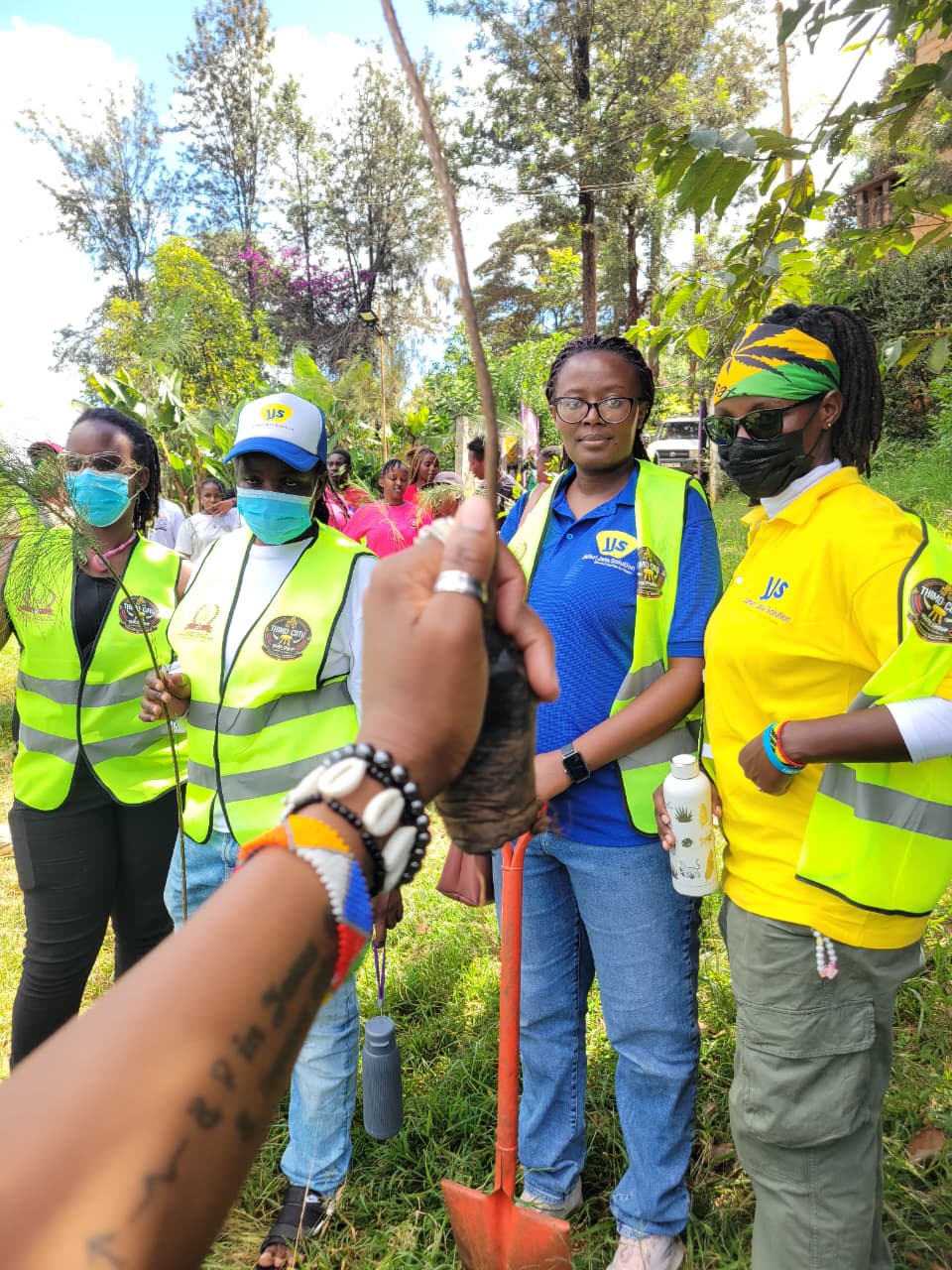
A greener Kenya must also be a safer Kenya. A sustainable world must also be a world free from exploitation.
At JJS, we believe that protecting the environment and protecting people belong in the same conversation. Because true sustainability is not only about the world we leave behind. It is also about how we treat one another while building it.